

Curiosity brought us here.
Cosmoknowledge makes the wonders of space and science accessible to everyone. Through storytelling, visuals, and simulations, we turn some of the universe's biggest mysteries into something you can actually understand.
A WORLD OF CURIOSITY
Science brings us together.
4.63Mfollowers across platforms
Cosmoknowledge on YouTube ↗Cosmoknowledge Animated on YouTube ↗
Reported by our Google Search profile ↗. Checked . We check daily. Counts are rounded and may overlap across platforms.
OUR LATEST VIDEOS
Watch the latest
from both channels.
Cosmoknowledge
826K subscribersSpace, science and the stories behind the extraordinary.
Cosmoknowledge Animated
16K subscribersScience, scale and our changing world brought to life through animation.
JOIN OUR YOUTUBE MEMBERSHIP
Support Cosmoknowledge.
Become a YouTube member and help us keep creating free science videos and simulations. Choose a tier and enjoy extra perks, including full researcher interviews with Type 2.
Type 1 Civilization
$3.99 USD / month
Early access to new videos, loyalty badges, custom emoji, priority replies and member shout-outs.
Type 2 Civilization
$7.99 USD / month
All Type 1 perks, plus full researcher interviews, exclusive videos, photos, status updates and the latest news.
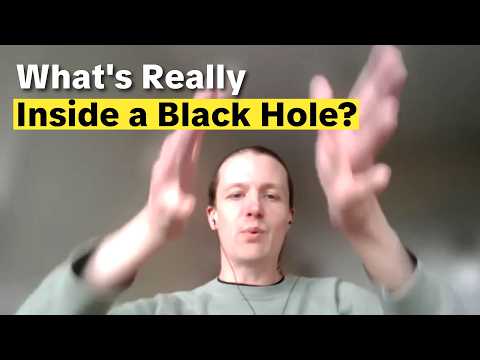 TYPE 2 / MEMBERS ONLY
Dr. Steffen Gielen
Black holes and white holes
Theoretical physicist, University of Sheffield
Full raw interview
 TYPE 2 / MEMBERS ONLY
Dr. Sravan Kumar
Einstein-Rosen bridges
Theoretical physicist, University of Portsmouth
Full raw interview
 TYPE 2 / MEMBERS ONLY
Dr. Snehalata Sahu
A star that shouldn’t exist
Astrophysicist
Full raw interview
Prices shown in USD per month. YouTube displays your local price before you join. Full interviews require Type 2 Civilization or higher. Cancel anytime on YouTube.
QUICK EXPLORATIONS / BOTH CHANNELS
Watch more of our short videos.
Cosmoknowledge
Browse Shorts ↗Cosmoknowledge Animated
Browse Shorts ↗LESS WATCHING. MORE WONDERING.
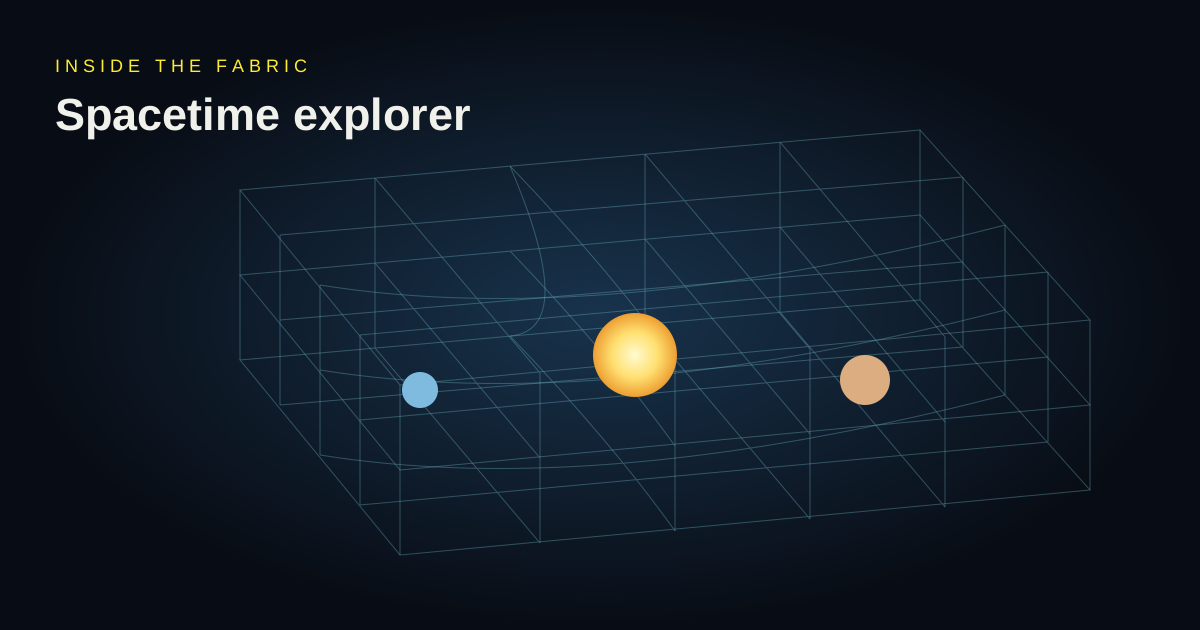
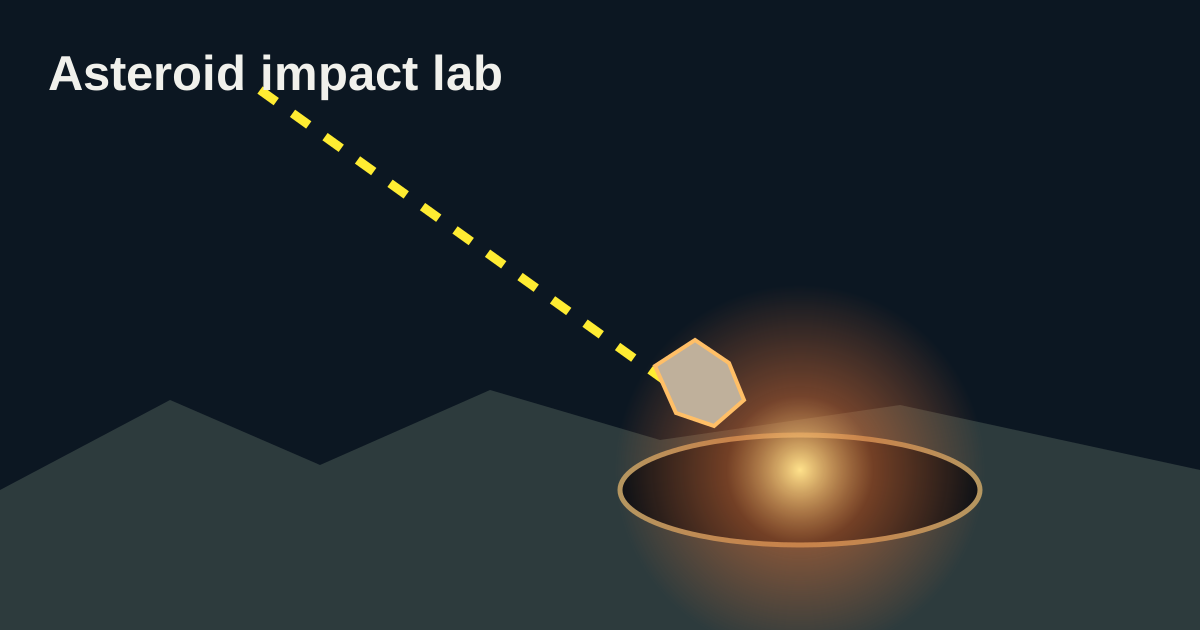
Put physics
in your hands.
Choose a world. Change a variable. Discover what happens. Every simulation is free to explore.
THE DAILY BRIEFING /
What’s happening out there?
SUPPORT COSMOKNOWLEDGE
Help keep curiosity free.
Enjoy exploring the universe with us? Support Cosmoknowledge through a YouTube membership or our merch collection, and help us keep creating free videos, stories and simulations.
Explore YouTube membership Paid membership. Full researcher interviews are available with Type 2 Civilization or higher. Current pricing and perks are shown on YouTube.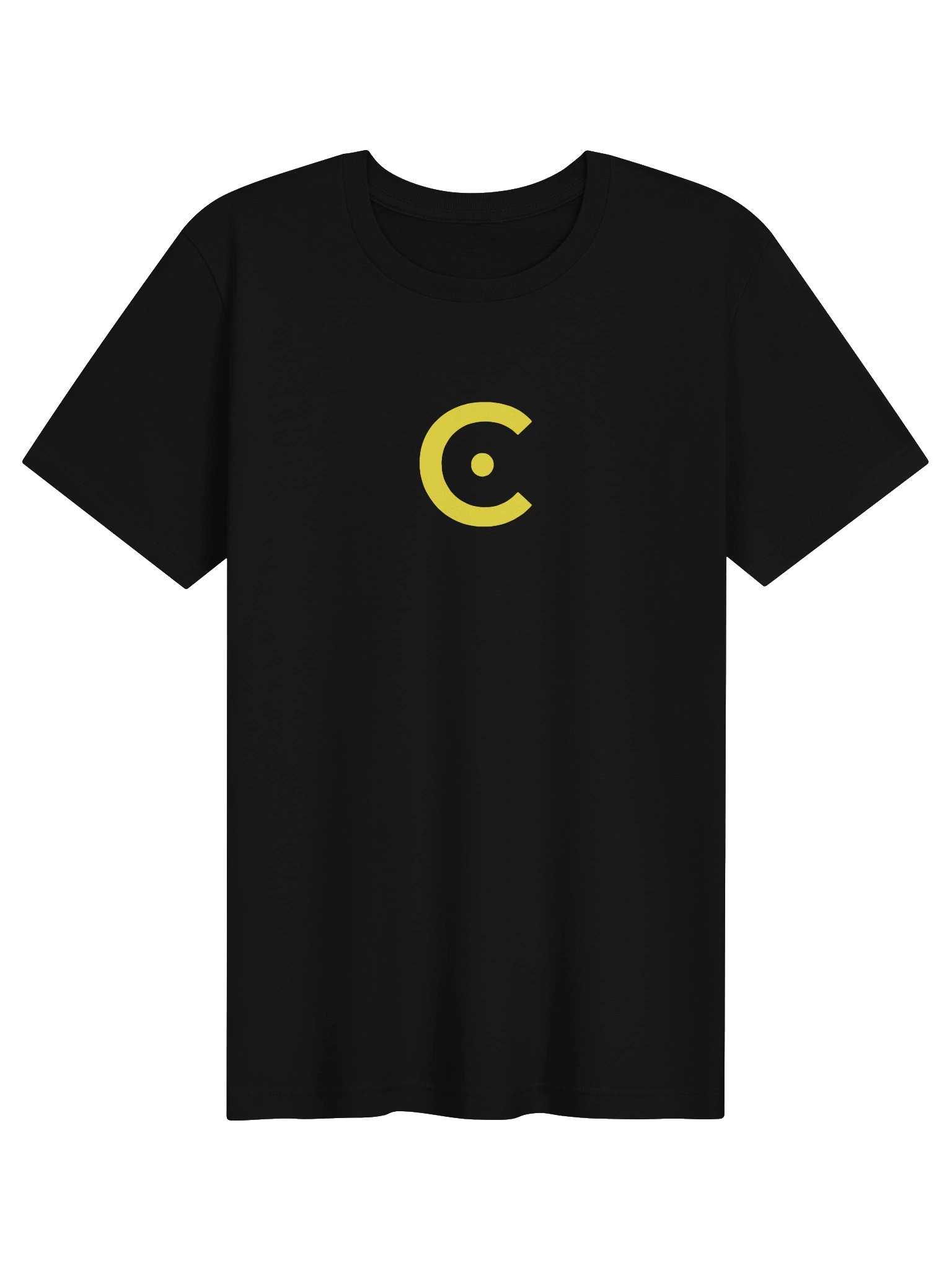
Cosmoknowledge Logo Tee
From $25 USD
View product ↗Shipping and taxes calculated at checkout.